
The psychological impact of gambling Unraveling the emotional rollercoaster
The Thrill of Winning
The psychological impact of gambling often begins with the thrill associated with winning. The moment when a player hits the jackpot or scores a big win triggers a rush of adrenaline and a flood of dopamine, creating feelings of euphoria and excitement. This phenomenon is not merely coincidental; it’s deeply rooted in our brain’s reward system. As players experience these highs, they often become hooked, seeking to replicate these feelings through repeated gambling activities. In fact, platforms like Pokiesville offer a vast array of games to capitalize on this thrill.
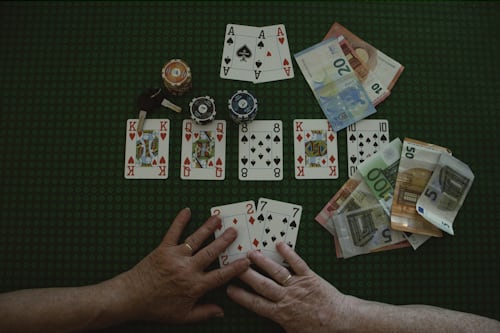
This euphoric state can lead individuals to ignore the risks involved, as the anticipation of winning overshadows the reality of potential losses. The intermittent reinforcement of winning—where a player wins sporadically while losing more often—can create a cycle of hope and despair, keeping them engaged despite significant risks. The more a person gambles, the more they crave that initial high, leading to a potentially destructive cycle.
Moreover, this thrill can have broader implications on one’s mental health. While occasional gambling can be a fun pastime, excessive gambling can lead to anxiety, depression, and other emotional struggles. As players become fixated on their desire for that next win, they may neglect other aspects of their lives, creating a dangerous imbalance that can affect personal relationships, work performance, and overall well-being.
The Downside of Loss
While the excitement of winning is undeniable, the psychological impact of losing can be equally profound. Many gamblers experience feelings of frustration, guilt, and shame after a losing streak, leading to a downward emotional spiral. The pressure to recover losses often leads individuals to gamble more in hopes of a turnaround, which can exacerbate their financial and emotional distress.
Losses can evoke feelings of helplessness, particularly if a person has gambled substantial amounts of money. This emotional fallout may lead to a cycle of self-blame, where individuals internalize their losses as personal failures. In extreme cases, the stress of financial loss can result in severe anxiety, depression, or even thoughts of self-harm, highlighting the urgent need for awareness and support.
Understanding the emotional repercussions of loss can empower gamblers to seek help when necessary. Engaging in responsible gambling practices, such as setting limits and recognizing when to take a break, can mitigate the adverse effects associated with loss. It is vital for players to acknowledge their emotions and seek support from friends, family, or professional resources to navigate these challenging experiences.
The Illusion of Control
The psychological impact of gambling is also shaped by the illusion of control that many players experience. This cognitive distortion leads individuals to believe they can influence the outcome of games, especially in skill-based scenarios like poker or sports betting. This false sense of agency can encourage more frequent gambling, as players become convinced that their strategies or decisions will lead to success.
This illusion can be particularly dangerous in the context of games of chance, where outcomes are entirely random. Gamblers may develop superstitions, believing that certain rituals or behaviors can improve their odds. This mindset not only perpetuates gambling behavior but also contributes to frustration and disappointment when results do not align with their expectations.
Breaking free from the illusion of control requires a shift in mindset. Educating oneself about the random nature of gambling and accepting that outcomes are beyond personal influence can help individuals approach gambling more responsibly. This awareness can lead to healthier gaming habits, reducing the psychological burden associated with losing and the pressure to gamble more to regain control.
The Role of Environment and Social Influences
The psychological impact of gambling is not experienced in isolation; it is also influenced by external factors such as social interactions and environment. Friends and family can play a significant role in shaping a person’s gambling behavior, either positively or negatively. Positive reinforcement from peers can encourage gambling as a social activity, while negative experiences may lead to more secretive or problematic behavior.
Additionally, the environment in which one gambles can have profound effects on emotional responses. Venues like casinos are designed to enhance excitement with bright lights, sounds, and the atmosphere of winning. This sensory overload can create an addictive environment that reinforces gambling behavior. Online platforms, like those available in Pokiesville, may offer similar stimuli through user-friendly interfaces and attractive promotions.
Understanding the impact of one’s social circle and environment can help individuals make more informed decisions about their gambling habits. Building a support network that encourages responsible gambling and discussing feelings around gambling can foster a healthier relationship with this form of entertainment. By addressing external influences, individuals can better navigate their emotional rollercoaster associated with gambling.
Responsible Gambling at Pokiesville
At Pokiesville, we are dedicated to ensuring a safe and enjoyable gaming environment for all players. Our platform emphasizes responsible gambling by providing resources and tools to help individuals manage their gambling habits. With features such as deposit limits, time-outs, and self-exclusion options, we prioritize player well-being and encourage a balanced approach to gaming.
We understand that the psychological impact of gambling can be complex, and our commitment to responsible gaming is reflected in our comprehensive support systems. Players have access to 24/7 customer support, educational materials on the risks of gambling, and guidance for those seeking help. Our goal is to create a community where enjoyment and safety coexist, allowing players to engage with our games without compromising their mental health.
By fostering a culture of responsible gambling, Pokiesville aims to empower players to enjoy their gaming experience while being mindful of the psychological effects. Together, we can unravel the emotional rollercoaster that gambling can bring and promote a healthier relationship with this popular pastime.
Recent Comments